FAQs – Designated outdoor refreshment area
These frequently asked questions are intended to help explain the proposed Beech Grove Designated Outdoor Refreshment Areas (DORAs), including how they would operate, what rules and limitations would apply, and how the proposal could impact residents, businesses, and community events. The proposed ordinance includes specific boundaries, operating dates and hours, safety requirements, and participation rules designed to create a controlled and family-friendly environment while supporting local businesses and Main Street activity.
take the public input survey by clicking here.
What is a DORA?
A DORA, or Designated Outdoor Refreshment Area, is a special area approved by the City where someone can buy a drink from a participating restaurant or business and carry it outside within certain boundaries.
It does not make drinking allowed everywhere in Beech Grove, and it does not change laws about public intoxication, drunk driving, or underage drinking. A DORA simply allows people to walk between participating businesses or enjoy Main Street while staying within the approved area and rules.
Why is Beech Grove proposing a DORA?
The City is proposing a DORA to help support local businesses, encourage more foot traffic on Main Street, and create a more connected and walkable downtown experience.
A DORA allows people to visit multiple participating businesses instead of staying in one location, which can help restaurants, shops, and community events alike. Many cities and towns across Indiana already have successful DORAs in place as part of downtown revitalization and economic development efforts.
Where are the proposed doras?
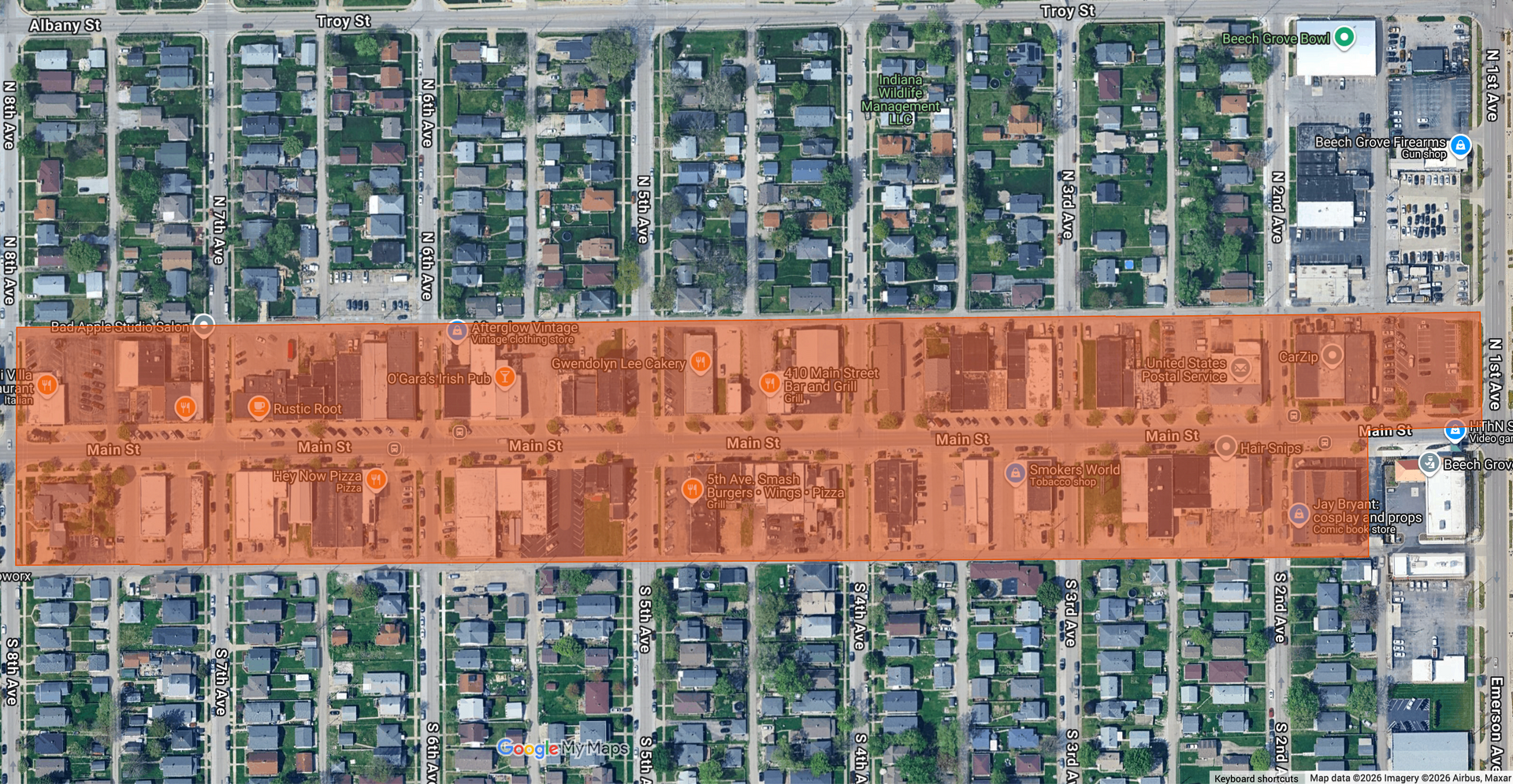
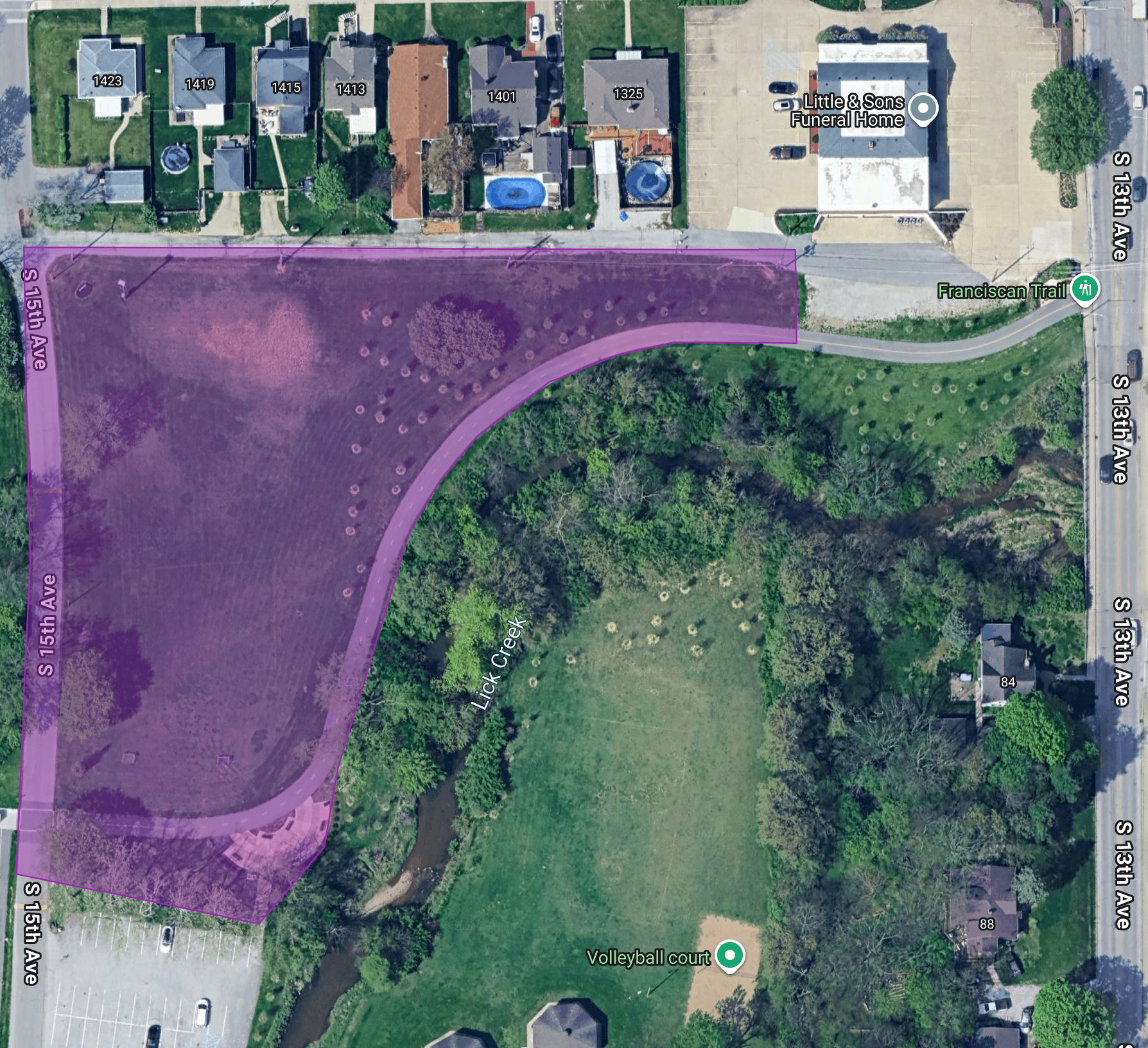
Where are the proposed DORAs located and when would they operate?
The proposed ordinance includes two separate DORA areas with different boundaries and operating rules.
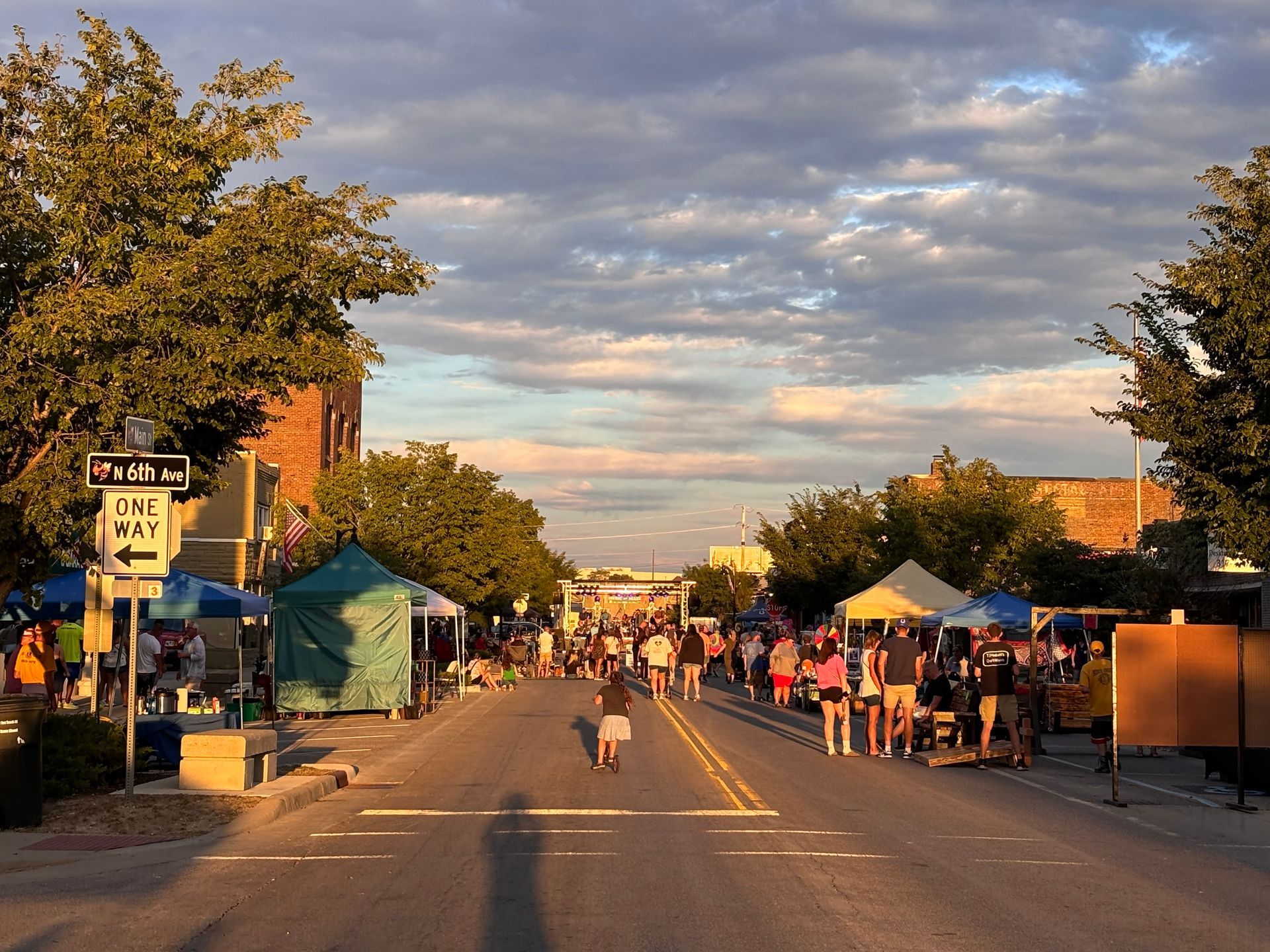
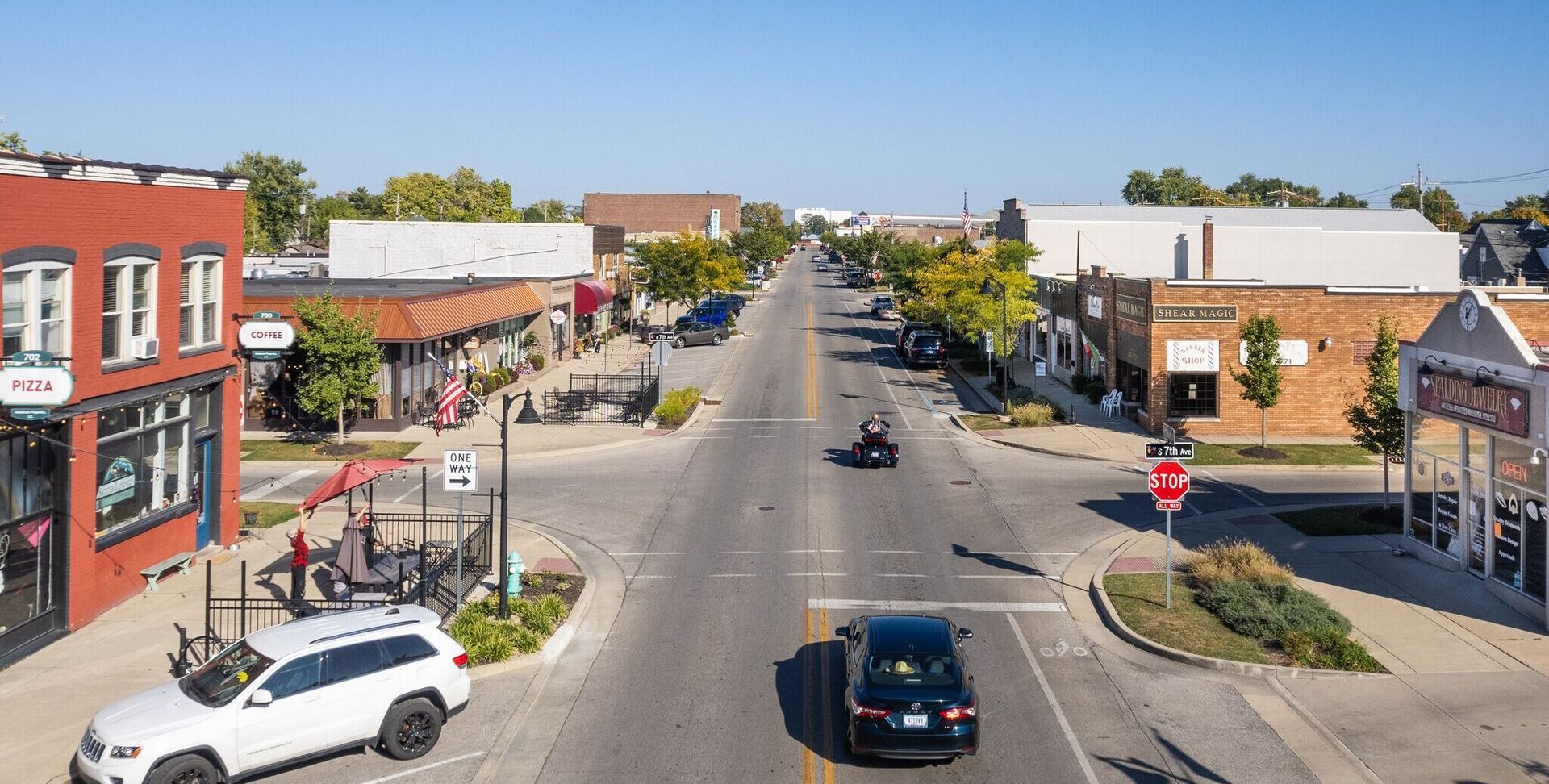
DORA #1 would be located along Main Street from 8th Avenue to Emerson Avenue, including the public right-of-way on Main Street and the alleyways directly adjacent to Main Street within that stretch. The Beech Grove Police Department property located at 103 Main Street would be specifically excluded from the DORA boundaries.
Under the current proposal, DORA #1 would only operate between Memorial Day and Labor Day each year during the following hours:
- Thursday and Friday: 5:00 PM to 10:00 PM
- Saturday: 12:00 PM to 10:00 PM
- Sunday: 12:00 PM to 10:00 PM
DORA #2 would be a limited-use area located just north of the entertainment shelter in Sarah T. Bolton Park, bounded by 15th Avenue, the alley directly north of the park area, and the Franciscan Trail.
Unlike DORA #1, DORA #2 would not operate on a regular basis. It would only be active during approved City-sanctioned events between May and August and only during approved event hours. Activation of DORA #2 would require approval from the Board of Public Works and Safety as well as confirmation from the Beech Grove Police Department that alcohol consumption is permitted for the specific event.
The Common Council would also retain the ability to amend DORA operating hours in the future by resolution. Requests for special event modifications would first require approval from the Board of Works and Safety before being considered by the Council.
What are the economic benefits of a DORA?
DORAs are often used as an economic development tool to help increase foot traffic and support local businesses, especially in downtown areas and along Main Streets.
When people spend more time walking between restaurants, shops, and events, they are more likely to visit multiple businesses instead of just one. Communities with DORAs often report stronger downtown activity, increased visitor engagement, and better support for small businesses and events.
For Beech Grove, the goal is to strengthen the businesses and events that already exist on Main Street while creating a more active downtown environment.
What size drinks can be purchased in the DORA, and how many can a person carry?
Under the proposed ordinance, a person may leave a participating business with no more than one open DORA beverage at a time.
The maximum allowed sizes would be:
- Beer or flavored malt beverages: 16 ounces
- Wine, cider, or hard seltzer: 12 ounces
- Mixed drinks: 10 ounces, containing no more than 2 ounces of liquor
All beverages must be served in approved DORA containers by participating licensed vendors. Businesses would also still be required to follow all Indiana alcohol laws regarding safe alcohol service and over-serving patrons.
Does this mean people are allowed to drink more?
No. A DORA does not allow people to consume more alcohol than they legally could before. It simply allows someone to leave the establishment where they purchased their drink and walk within a clearly defined area while carrying it in an approved container.
Laws regarding public intoxication, disorderly conduct, impaired driving, underage drinking, and over-serving patrons would all remain fully enforceable.
Does this mean I can bring my own alcohol into the DORA?
No. A DORA does not allow “BYOB” or outside alcohol.
Alcohol consumed within the DORA must be purchased from a participating licensed establishment and served in an approved DORA container.
Is the City trying to turn Beech Grove into a bar district?
No. The purpose of the DORA is to support local businesses, encourage foot traffic on Main Street, and strengthen community events within a controlled and regulated environment.
The proposed DORA includes limited dates, defined boundaries, approved containers, and City oversight. The goal is to create a more connected and walkable downtown experience, not unrestricted nightlife.
What are the cost and cup requirements for a business to participate?
Is the City trying to profit from this?
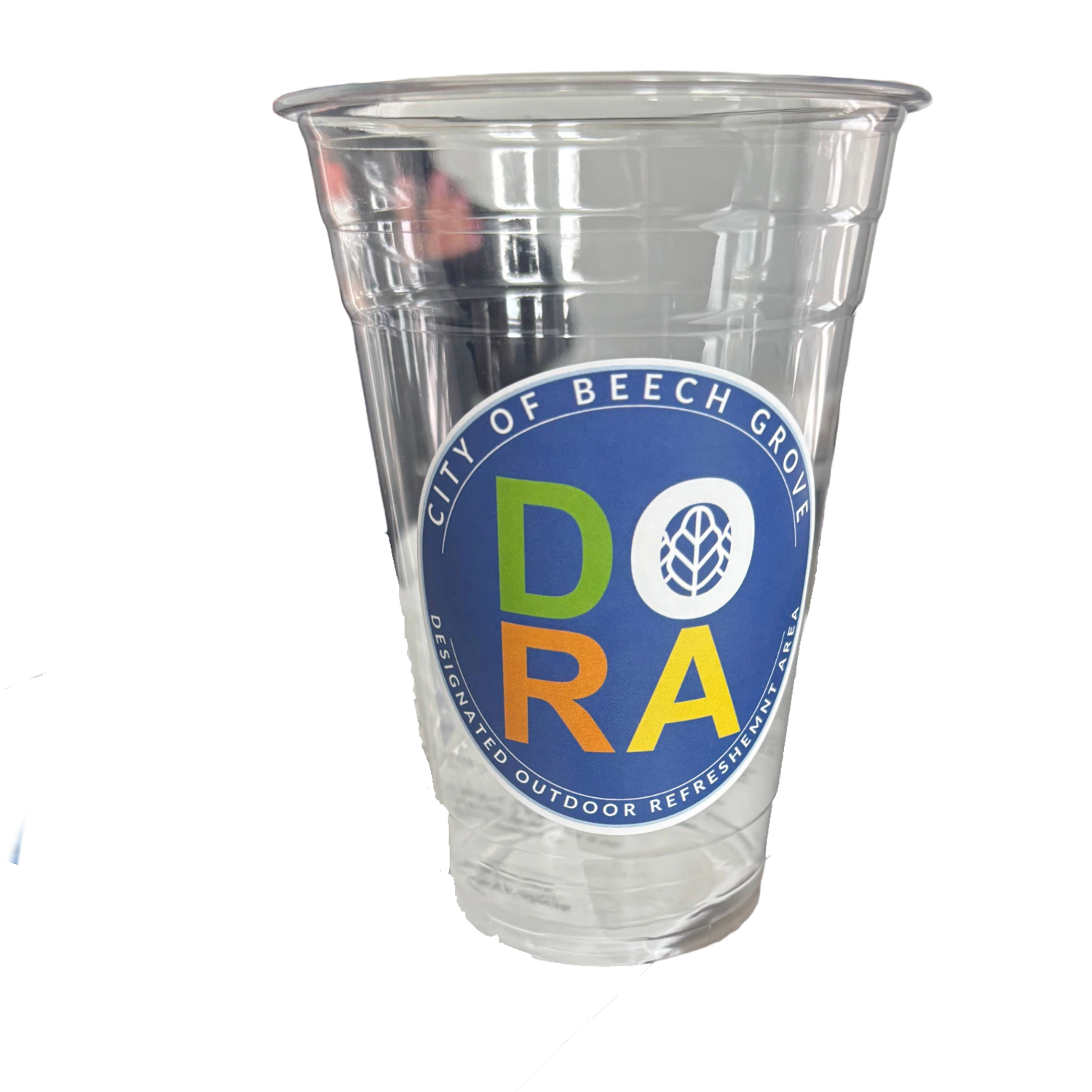
The proposed participation fee would apply only to liquor-licensed businesses and approved mobile vendors that choose to sell DORA beverages.
Under the current proposal, the fee would be $200 per year for participating brick-and-mortar alcohol vendors and $50 per event for participating mobile alcohol vendors. These fees are intended to help offset administrative costs associated with operating the DORA, including approved cup stickers, participation materials, and required signage.
Businesses that simply choose to allow or prohibit DORA beverages inside their establishment would not pay a participation fee. Those businesses would receive window cling signage at no cost identifying whether DORA beverages are permitted inside.
Can businesses choose not to participate?
Yes. Participation in the DORA is completely voluntary. Businesses may choose whether or not they want to participate.
Can I walk into any business with a DORA drink?
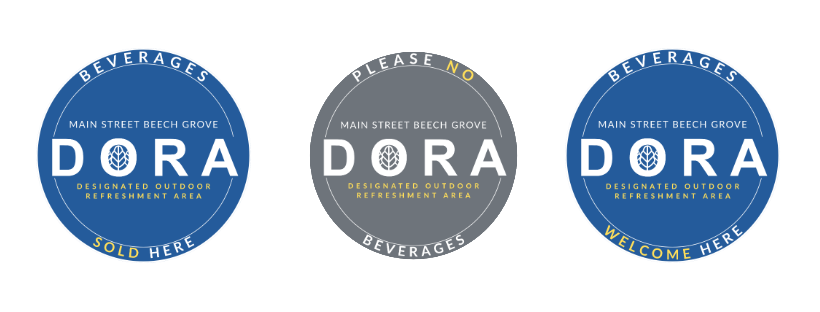
No. Only participating businesses may allow DORA beverages inside. Businesses can still set their own rules, and participating locations would be identified through signage or other approved markings.
Why would a business without a liquor license want to participate in the DORA?
A business does not need a liquor license to benefit from increased foot traffic created by a DORA.
For example, someone may purchase a drink from a participating restaurant and then continue shopping at a boutique, bookstore, salon, or retail store that chooses to allow DORA beverages inside. That can help increase customer visits and sales for businesses that do not sell alcohol themselves.
I’m concerned about how a DORA could affect children and teenagers. How would the City address that?
The proposed DORA does not change any laws related to underage drinking. It remains illegal for anyone under 21 to purchase, possess, or consume alcohol.
It is also important to note that children and families are already regularly present in restaurants and businesses throughout Beech Grove where alcohol is legally served today. A DORA does not create new access to alcohol for minors. It simply allows adults to carry a drink within a small, regulated area instead of remaining inside one establishment.
The purpose of a DORA is not to create a party environment. Many Indiana communities operate DORAs while still maintaining family-friendly downtown events and environments.
Have all City department heads reviewed and approved this? Are the police on board?
Yes. The proposed DORA has been discussed with City leadership and department heads throughout the development process, including public safety personnel.
The ordinance was intentionally written with limitations and controls in place, including defined boundaries, limited operating seasons and hours, opt-in participation by businesses, and continued enforcement of all existing laws.
Will this increase policing costs or require more officers?
The proposed DORA was developed with input from public safety personnel and includes limited boundaries, dates, and operating conditions. Many Indiana communities operate DORAs without major increases in policing costs.
All existing laws related to public intoxication, disorderly conduct, underage drinking, and impaired driving would remain fully enforceable.
What about insurance and liability?
Like any municipal program or public space, the City does retain some level of liability exposure. However, DORAs are designed to limit municipal risk through clear rules, defined boundaries, insurance requirements, and operational controls.
Participating businesses would still be responsible for complying with Indiana alcohol laws and maintaining proper permits and insurance coverage. Many communities across Indiana currently operate DORAs successfully using these same safeguards.
Update 5/28/26
- The City has spoken to our carrier, and there is no premium impacts by adding a DORA.
When was the first DORA established in the United States, and have these areas seen major increases in crime?
Modern DORA-style laws began expanding in the United States in the mid-2010s, with Ohio becoming one of the first states to formally authorize DORAs in 2015.
Since then, hundreds of communities across multiple states have created DORAs or similar entertainment districts. While every community is different, there has not been widespread evidence showing that properly managed DORAs lead to dramatic increases in crime.
DORAs operate within strict boundaries, approved container rules, limited hours, and continued police enforcement.
Under Indiana law, isn’t it already legal in Marion County to carry alcohol in public?
Generally, Indiana does not have a statewide law that completely bans carrying an alcoholic beverage in public. However, that does not mean public drinking is unrestricted everywhere.
A DORA creates a clearly defined and regulated area with specific rules about where alcohol may be carried, when it is allowed, what containers may be used, and how the area is managed and enforced.
Is it illegal for me to open a beer and walk outside of my house with it in Beech Grove?
Generally, Indiana does not have a statewide law that automatically makes it illegal for an adult to carry or drink alcohol while walking in public.
However, laws regarding public intoxication, disorderly conduct, disturbing the peace, underage drinking, and impaired driving still apply and remain enforceable.
Why is there a DORA #2 in the park?
DORA #2 was proposed as a limited-use area specifically for certain City-sanctioned events in Sarah T. Bolton Park. Its purpose is not for everyday public drinking in the park.
The intent is to create a controlled framework that would allow approved mobile vendors to legally sell alcohol during certain approved events while still operating under clear rules, boundaries, dates, and hours established by the City.
Would alcohol be sold during the Fall Festival or July 3rd Fireworks?
No. Under the currently proposed structure, alcohol would not be permitted at either event through the DORA.
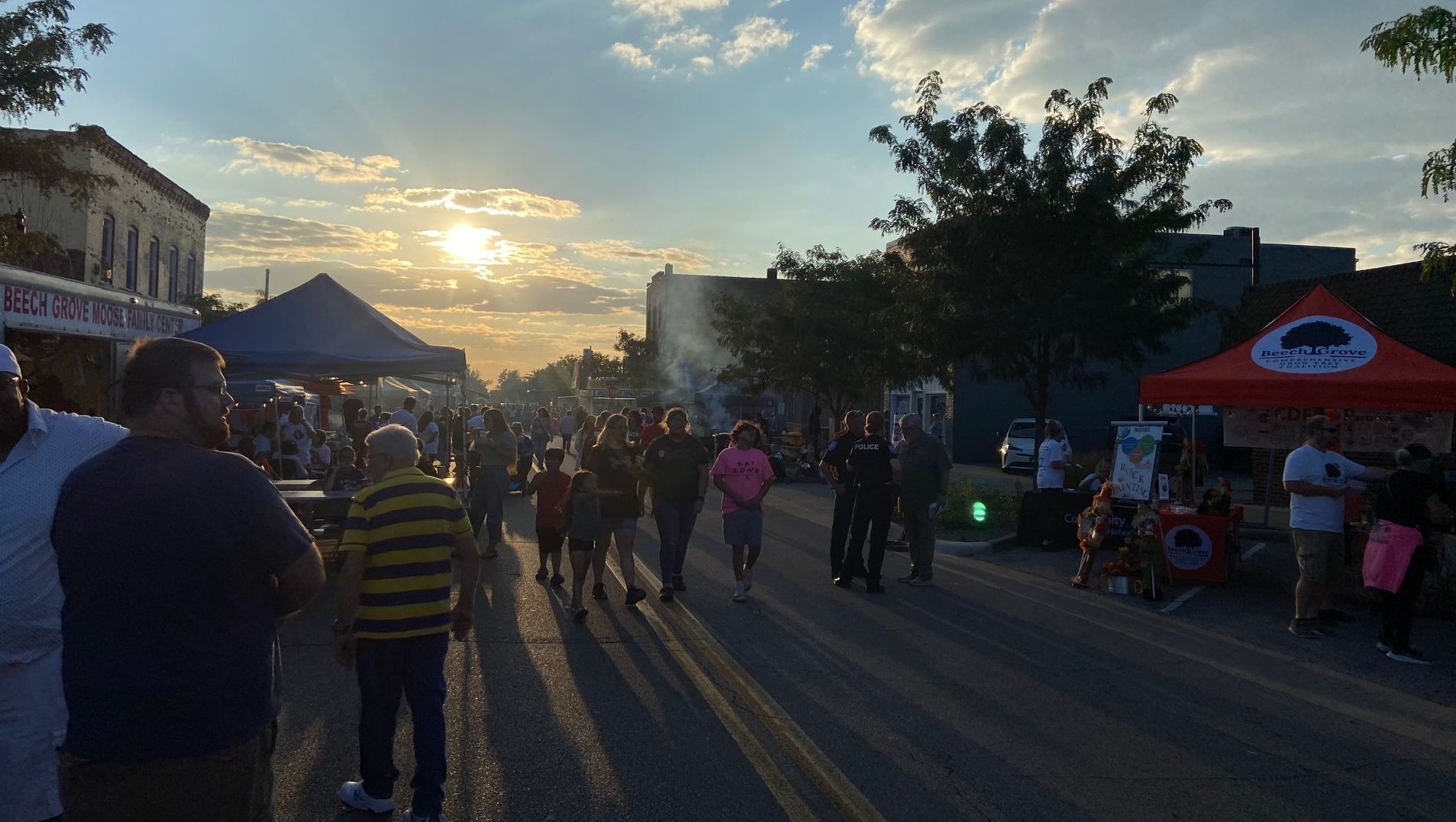
Although the Fall Festival takes place within the boundaries of DORA #1, the proposed DORA operating season would only run from Memorial Day through Labor Day. Because the Fall Festival takes place after Labor Day, the DORA would not be active during that event.
Similarly, the July 3rd Fireworks event would not qualify under DORA #2 because it would not fall within the approved activation structure established in the proposed ordinance.
How will people know where the DORA starts and ends?
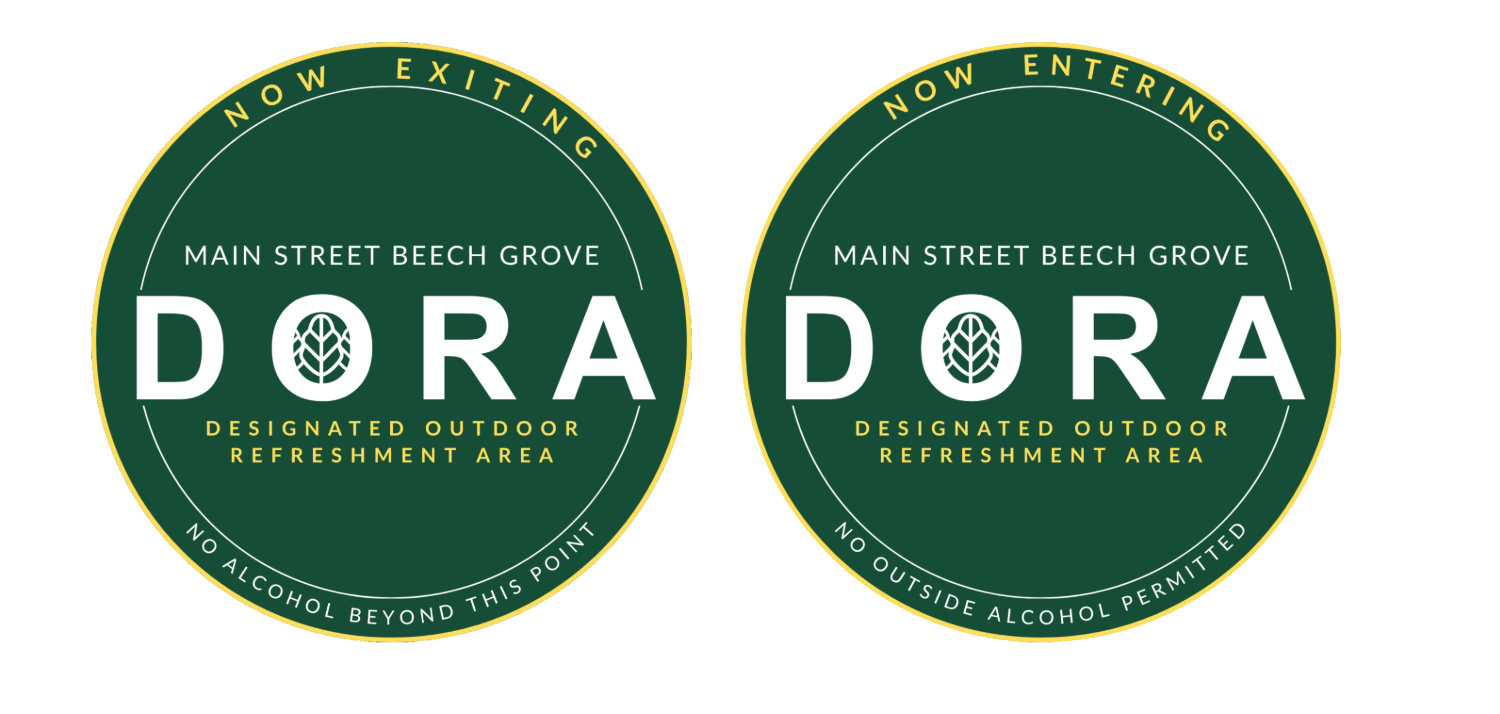
The DORA boundaries would be clearly defined through maps, signage, and approved operational materials. Participating businesses and approved DORA containers would also help identify where the DORA is active and permitted.
Can the City change or end the DORA later?
Yes. The City may amend the DORA boundaries, operating dates, hours, or rules in the future if needed. The Common Council could also repeal the DORA entirely if it was determined not to be working as intended.
What other indiana cities have doras?
Indiana has over 45 DORAs as of the end of 2025. Below are DORAs closest to Beech Grove:
- Downtown Greenwood DORA near Madison Avenue and Main Street.
Bargersville
- Downtown Bargersville
Westfield
- Grand Junction Plaza and downtown Westfield area.
Carmel
- Midtown and Arts & Design District entertainment areas.
Zionsville
- Main Street village district
Noblesville
- Downtown square and riverfront entertainment areas.
Speedway
- Main Street DORA district.
Danville
- Courthouse square and downtown commercial corridor.
Irvington
- Proposed Indianapolis-area DORA centered along Washington Street. It is not yet fully operational but has moved through major approval stages.